

Tell Us About Your Business
Thank you! Your submission has been received!
Oops! Something went wrong while submitting the form.


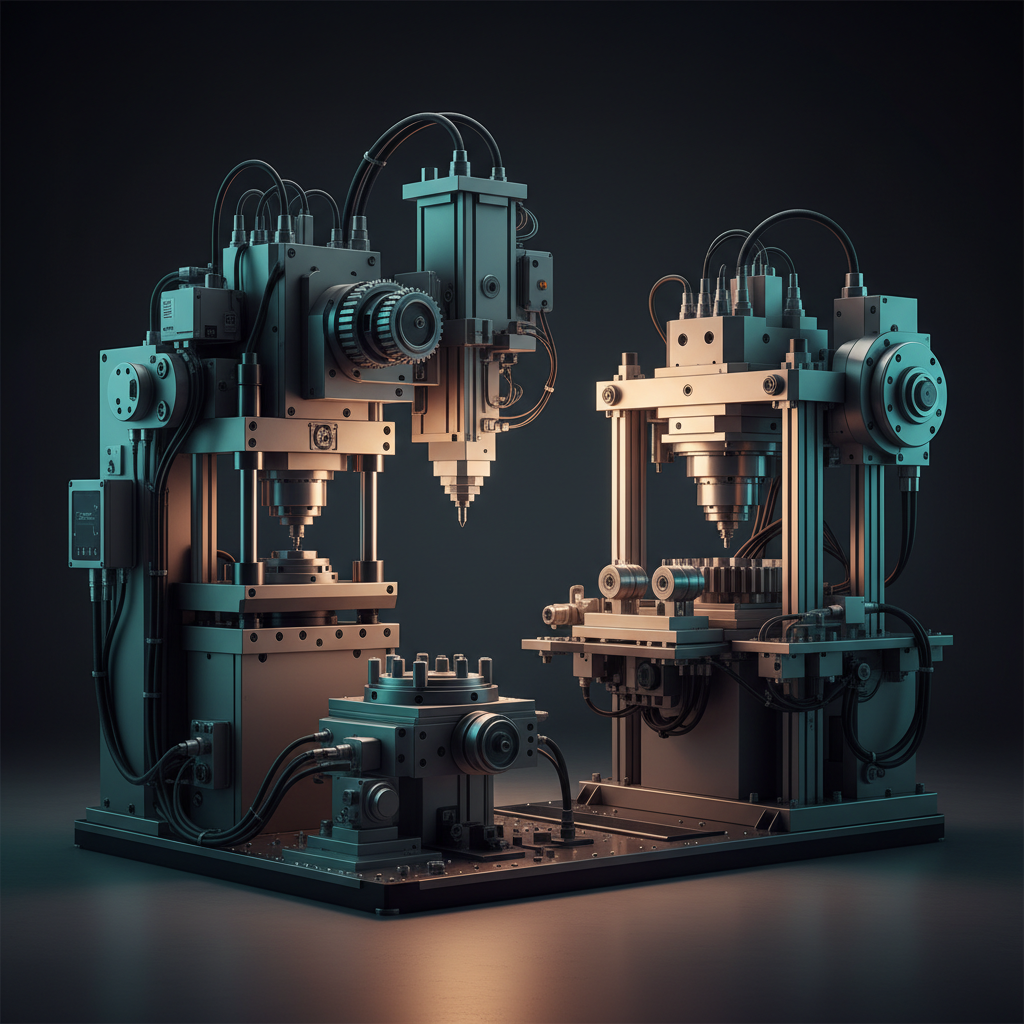
A sales director at a precision parts firm in Pune recently shared that their pipeline had hit a standstill. It’s a frustrating place to be, especially when you know the product is solid but the leads just aren’t coming through. Lead generation for Automation isn’t magic - it’s about understanding the right channels and knowing how to connect with prospects who actually want to engage.
Most companies jump into lead generation thinking that more emails or ads automatically mean more leads. Their office in Kharadi had been running outbound campaigns for over a year without results, which is more common than you’d expect. The problem isn’t always the product or the sales team; it’s the approach. Automation solutions are technical, and the audience is niche. You can’t just blast generic messages and expect to fill your pipeline with qualified prospects.
What often gets overlooked is the importance of targeting decision-makers who understand the value of automation - not just anyone with a title. It’s about quality over quantity, but that’s easier said than done when you’re working with limited data or outdated lists. (This question comes up in almost every first call we have.)
Lead generation for Automation requires a sharp focus on who you’re reaching out to and how. It’s not enough to say you’re targeting manufacturing or industrial sectors - you need to drill down to the exact roles, pain points, and buying triggers. For example, a recent campaign we reviewed had a 7.4% response rate simply by adjusting the messaging to speak directly to plant managers’ concerns about downtime and efficiency.
It’s also critical to align your outreach with where your prospects spend their time. Are they on LinkedIn, industry forums, or attending specific trade shows? Are they influenced by technical whitepapers or case studies? Tailoring your content to these preferences can make a huge difference. (I wish someone had told me this earlier.)
Running outbound campaigns for Automation isn’t a set-it-and-forget-it deal. Their office in Kharadi had been running outbound campaigns for over a year without results because they treated it like a numbers game instead of a relationship-building exercise. Automation buyers are often skeptical of cold outreach - they want proof you understand their challenges before they even consider a conversation.
That means your campaigns need to be more than just a pitch. They require thoughtful sequencing, relevant content, and timely follow-ups. Sometimes, it’s about combining outbound with inbound tactics to nurture leads over time. (Costs most clients roughly 3 - 4 months before they course-correct.)
When tracking lead generation for Automation, it’s tempting to focus on open rates or clicks. But those numbers don’t tell the whole story. What matters is how many leads turn into meaningful conversations and eventually sales opportunities. For instance, a client we worked with increased their qualified lead count by 26% after revising their lead scoring criteria and focusing on engagement quality rather than volume.
It’s also worth noting that some of the best leads come from referrals or content-driven inbound interest sparked by your outbound efforts. Don’t discount the ripple effect of a well-executed campaign, even if the immediate numbers seem modest.
Lead generation for Automation is a process, not a one-off project. It takes patience, testing, and a willingness to adjust your approach based on what the data and conversations tell you. The good news is that once you find the right formula, the pipeline starts to fill steadily with prospects who actually want to engage.
Been in this situation myself. Happy to share what worked - no pitch, just a conversation.
If your business has good capability but growth feels slower than it should, a short strategic discussion may reveal practical next steps.

