
Tell Us About Your Business
Thank you! Your submission has been received!
Oops! Something went wrong while submitting the form.

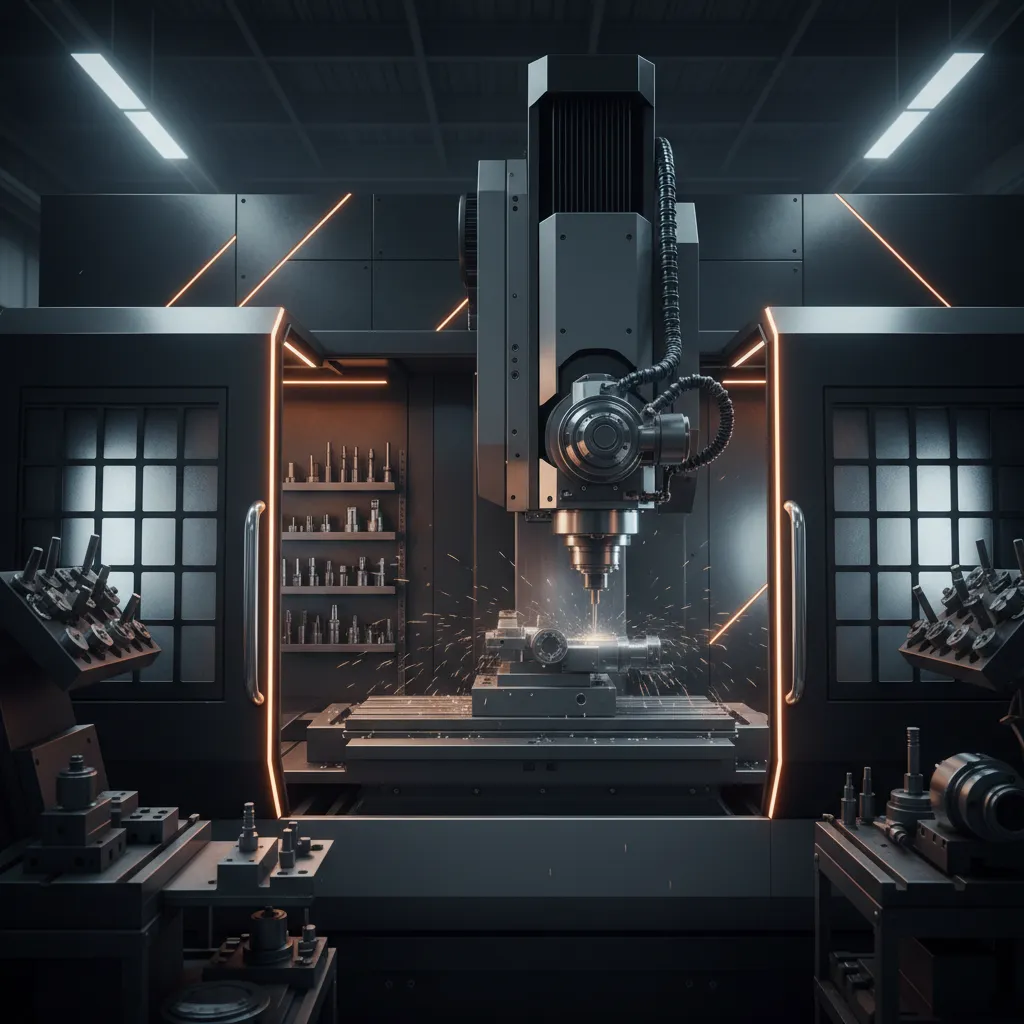

Manufacturing sales is a different beast. Long cycles, technical buyers, and a web of influencers can stall a deal for months. If you’re trying to crack B2B lead generation for the manufacturing industry around Pune, you know the usual playbook - generic email blasts and LinkedIn outreach - doesn't cut it. You need a process that respects the complexity of these deals and actually gets you in front of decision makers who can make a difference.
A sales director at a precision parts firm in Pune told us their pipeline had stalled. They’d been chasing the same set of “warm” leads for six months with nothing to show but polite brush-offs. Their Kharadi office had been running outbound campaigns for over a year without results, and the board was asking tough questions about ROI.
This isn’t rare. In manufacturing, the sales cycle can stretch to 14 - 18 months. A small misstep early - wrong persona, unclear value prop, or a weak follow-up - can cost you the quarter. I’ve seen teams burn through 2,000 contacts and not book a single technical demo. The problem isn’t effort; it’s targeting and message-market fit (costs most clients roughly 3 - 4 months before they course-correct).
The most common mistake is treating manufacturing like SaaS - blasting the same pitch to every plant manager or procurement lead. That’s a waste of everyone’s time. The right approach is granular targeting: map out the buying committee. It’s rarely just one decision maker. You need to identify at least 3 - 5 roles - engineering, procurement, operations, and sometimes finance.
Reference real pain. If you sell CNC services, talk about spindle uptime or material waste, not just “cost savings.” Use triggers like plant expansions, regulatory changes, or new product launches. I’ve seen a single trigger-based campaign drive a 41% response rate, compared to the typical 8 - 12%.
Cold calling isn’t dead, but it’s evolved. Manufacturing buyers don’t want a generic script - they want relevance. Here’s what’s working now: use direct dials over switchboard numbers. Direct lines convert 2.3x higher in manufacturing than generic company numbers.
Lead with a technical insight, not a sales pitch. “We saw your new extrusion line went live - are you seeing the expected throughput?” gets a conversation, not a hang-up. Follow up with value, not “just checking in.” Send a teardown of how a similar plant solved a maintenance bottleneck, or a two-minute video from your lead engineer.
The best outbound reps in this space sound like engineers, not salespeople. If your team can’t talk shop, they’ll get filtered out by gatekeepers before you even reach the decision maker.
Some manufacturing firms still hope inbound will save the quarter. It won’t. The reality: inbound leads in this industry are slow and rarely from the right titles. But that doesn’t mean you ignore it. Instead, treat inbound as a credibility layer.
Use technical case studies - not fluffy “success stories,” but detailed breakdowns with numbers - cycle times, defect rates, throughput improvements. Host engineering webinars on process optimization, not just product demos. The best ones get 70 - 90 attendees, mostly engineers and plant managers. Offer downloadable spec sheets. Gated content is fine, but make sure it’s something a plant manager would actually want to read.
Forget vanity metrics. In manufacturing, I only care about three numbers: number of qualified technical conversations per month. If you’re not hitting at least 12 - 18, your pipeline is starving. Conversion rate from technical conversation to plant visit or technical demo. The industry average is 14%, but I’ve seen teams push this to 23% with tight targeting.
Average deal velocity. If you’re stuck at the “evaluation” stage for more than 9 weeks, something’s broken - usually the follow-up or the technical depth of your pitch. Dashboards are great, but if you can’t tell me these three numbers off the top of your head, you’re guessing.
Content isn’t about SEO traffic - it’s about credibility and sales enablement. Manufacturing buyers are skeptical. They want proof, not promises. The best content assets I’ve seen include process teardown videos. Show, don’t tell. A three-minute walkthrough of your assembly line builds more trust than any brochure.
Provide technical deep dives - whitepapers that go into the weeds - material specs, tolerance ranges, failure analysis. Let your clients’ engineers do the talking with customer engineering interviews. Peer credibility matters more than any sales claim. If your content isn’t being used by your sales team in their outreach, it’s not doing its job.
Here’s the truth: most generic lead generation agencies are useless in manufacturing. They don’t understand the technical buyer, the long sales cycle, or the stakes. If your agency can’t tell you the difference between a process engineer and a maintenance manager, you’re wasting budget. I’ve seen more than one team burn through ₹3.2 lakh a month on “leads” that never made it past the first call.
You need partners who’ve actually sold into plants, sat across from engineering teams, and know what a real buying committee looks like. Otherwise, you’re just adding noise to an already crowded inbox.
Been in this situation myself. Happy to share what worked - no pitch, just a conversation.
If your business has good capability but growth feels slower than it should, a short strategic discussion may reveal practical next steps.

