
Tell Us About Your Business
Thank you! Your submission has been received!
Oops! Something went wrong while submitting the form.

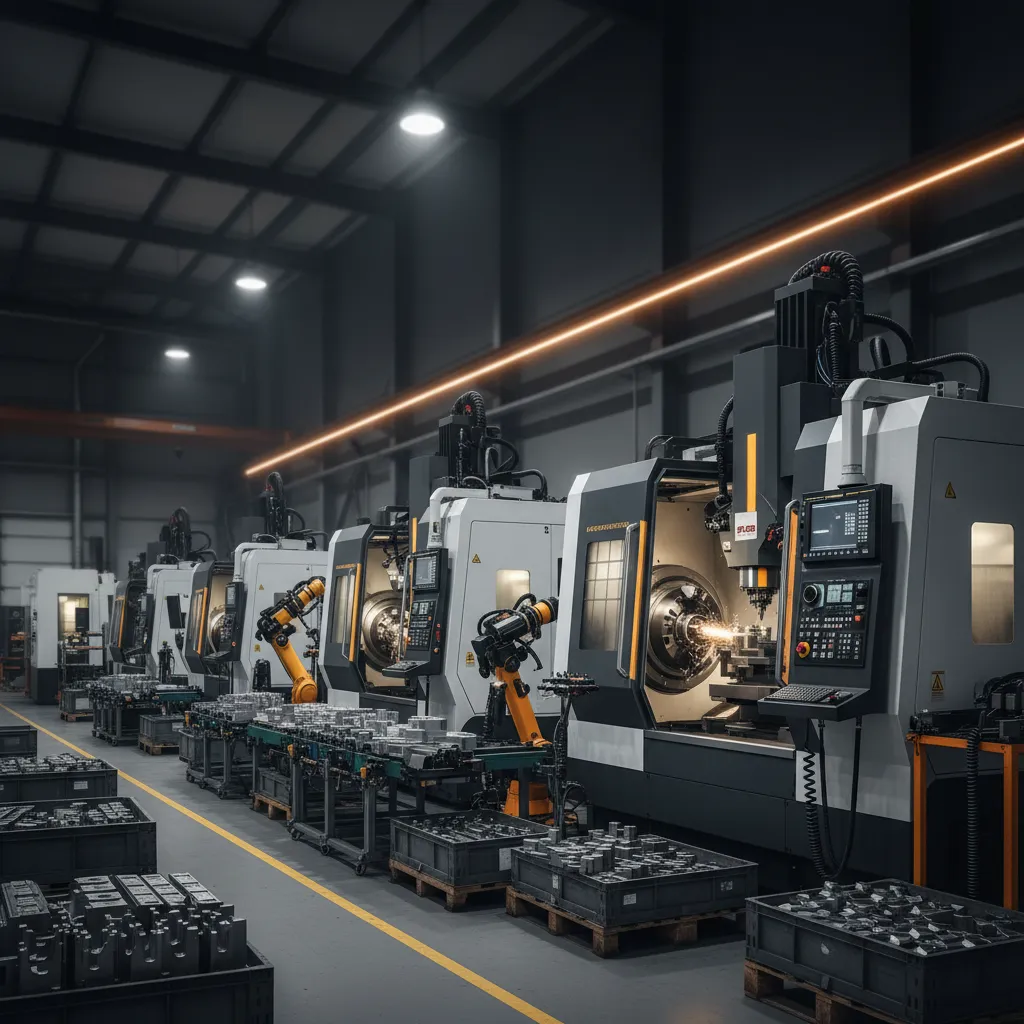
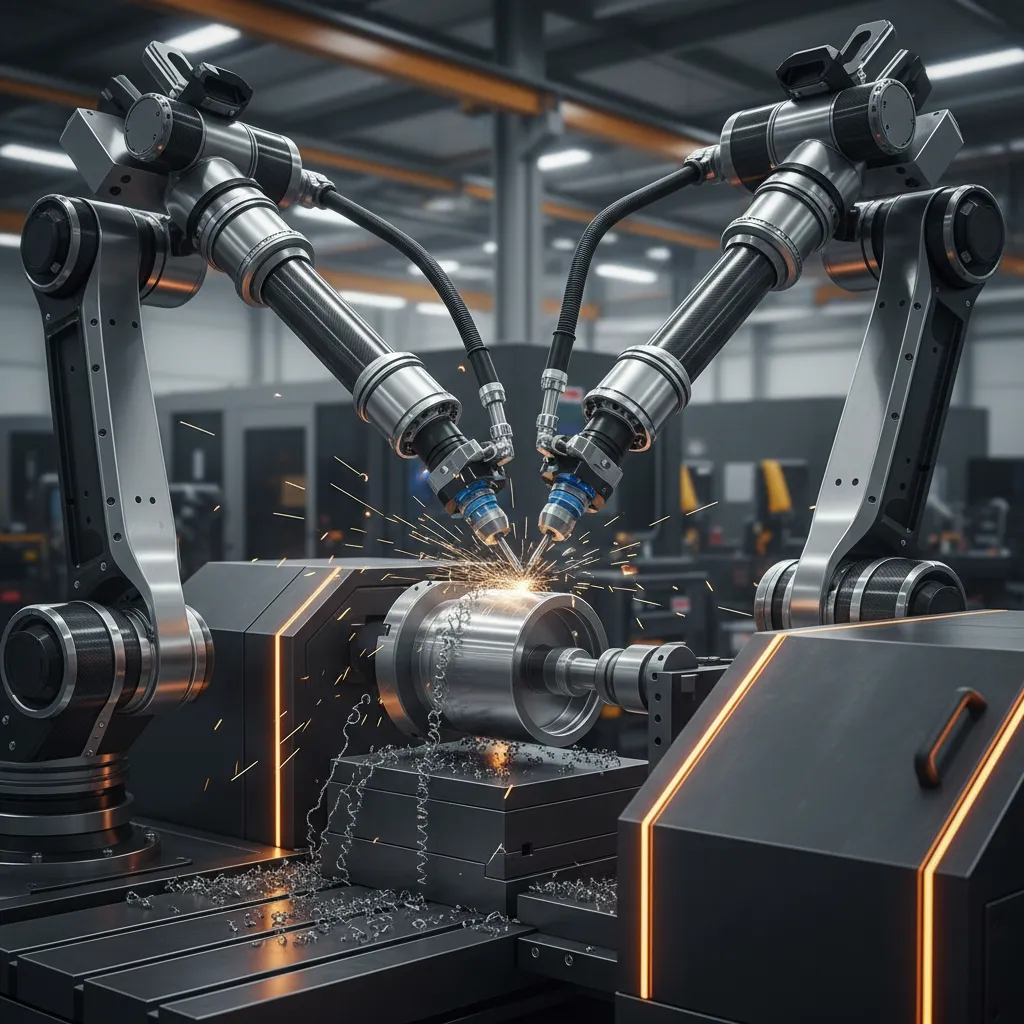
Manufacturing sales cycles are slow, technical, and full of dead ends. B2B lead generation for manufacturing companies isn’t about blasting generic emails or buying a list from some vendor who’s never set foot on a shop floor. It’s about building a pipeline that can handle long buying committees, RFQs that drag for months, and prospects who ghost you after the third demo. If you’re reading this in Pune, you probably already know: the usual SaaS playbook really doesn’t cut it here.
Selling CNC machining or industrial automation isn’t like pitching software. Your buyers are engineers, plant managers, and procurement leads. They don’t care about “solutions” - they want tolerances, throughput, and proof you understand their process. That’s why B2B lead generation for manufacturing companies demands a tailored approach.
You can’t just hand off a script to an SDR and expect results. I’ve seen teams burn through 1,400 cold calls in a quarter and get two meetings - both with the wrong titles. If your message doesn’t speak their language, you’re invisible.
A sales director at a precision parts firm in Pune recently told us their pipeline had stalled, despite a full-time team chasing leads for months. Their office around Kharadi had been running outbound campaigns for over a year without results, mostly recycling the same tired pitch.
This isn’t rare. I see it all the time: marketing hands over “leads” who downloaded a spec sheet, but they’re nowhere near a buying decision. Sales wastes cycles nurturing dead-end contacts. Meanwhile, the real buyers - the ones with authority and budget - are untouched because nobody’s mapped the account properly (most proposals we review miss this completely).
Here’s what’s made a difference for manufacturing clients I’ve worked with: account mapping that goes beyond LinkedIn titles. If you’re not identifying plant-level influencers and procurement gatekeepers, you’re missing half the buying group. Outreach that references the prospect’s actual production challenges is crucial. Mentioning a 17% reduction in scrap rates or a cycle time improvement of 2.3 hours per batch gets attention. Generic “increase efficiency” claims do not.
Multi-threaded sequences are essential. One email to a plant manager rarely lands. But a coordinated campaign - email to engineering, call to procurement, LinkedIn to operations - can surface real interest within 18 weeks. If you’re not getting technical in your messaging, you’re just noise. I’ve seen a single, well-placed case study (with actual numbers, not fluff) outperform a month’s worth of generic nurture emails.
Let’s be blunt: most agencies and in-house teams get this wrong. Here’s where I see manufacturing companies waste the most time and budget: relying on purchased lists that are 30% outdated before you even dial. Treating every inbound as a hot lead. In reality, only about 8% of downloads convert to a real conversation. Failing to follow up with technical buyers after the first touch. These folks are busy - it often takes 6 - 9 touches before you get a real response. Ignoring the importance of plant visits or technical webinars. These are still gold for complex sales.
If you’re not tracking which personas actually reply - and which ones never do - you’ll keep spinning your wheels.
The goal isn’t to get “more leads.” It’s to get the right conversations started, with the right people, at the right companies. That means building a clean, segmented database. If you can’t filter by plant size, process type, or ERP system, you’re flying blind. Developing content that’s actually useful to engineers - think process comparison sheets, not glossy brochures. Setting up a feedback loop between sales and marketing. If sales isn’t closing what marketing sends, fix the handoff or the targeting.
One client saw a 41% increase in qualified meetings after swapping out their generic whitepaper for a technical teardown of a competitor’s process. The difference? It spoke directly to the pain points of their target buyers.
Some teams try to do everything themselves. Sometimes that works - if you have the bandwidth and the expertise. But most manufacturing firms don’t have a bench of SDRs who can talk shop with an engineering manager. Outsourcing B2B lead generation for manufacturing companies can make sense if you need to ramp pipeline in under 12 weeks, your internal team is swamped with quoting and order management, or you want access to tested scripts and workflows that have already worked in similar verticals.
Just don’t hand the keys to an agency that doesn’t understand your product. If they can’t explain what makes your process different in the first call, they’ll never book a meeting that matters.
If your pipeline’s dry, it’s not because your product isn’t good. It’s because your outreach isn’t reaching the right people, with the right message, at the right time. Manufacturing sales is a grind - but with the right process, you can turn cold accounts into warm opportunities.
Been in this situation myself. Happy to share what worked - no pitch, just a conversation.
If your business has good capability but growth feels slower than it should, a short strategic discussion may reveal practical next steps.

