
Tell Us About Your Business
Thank you! Your submission has been received!
Oops! Something went wrong while submitting the form.


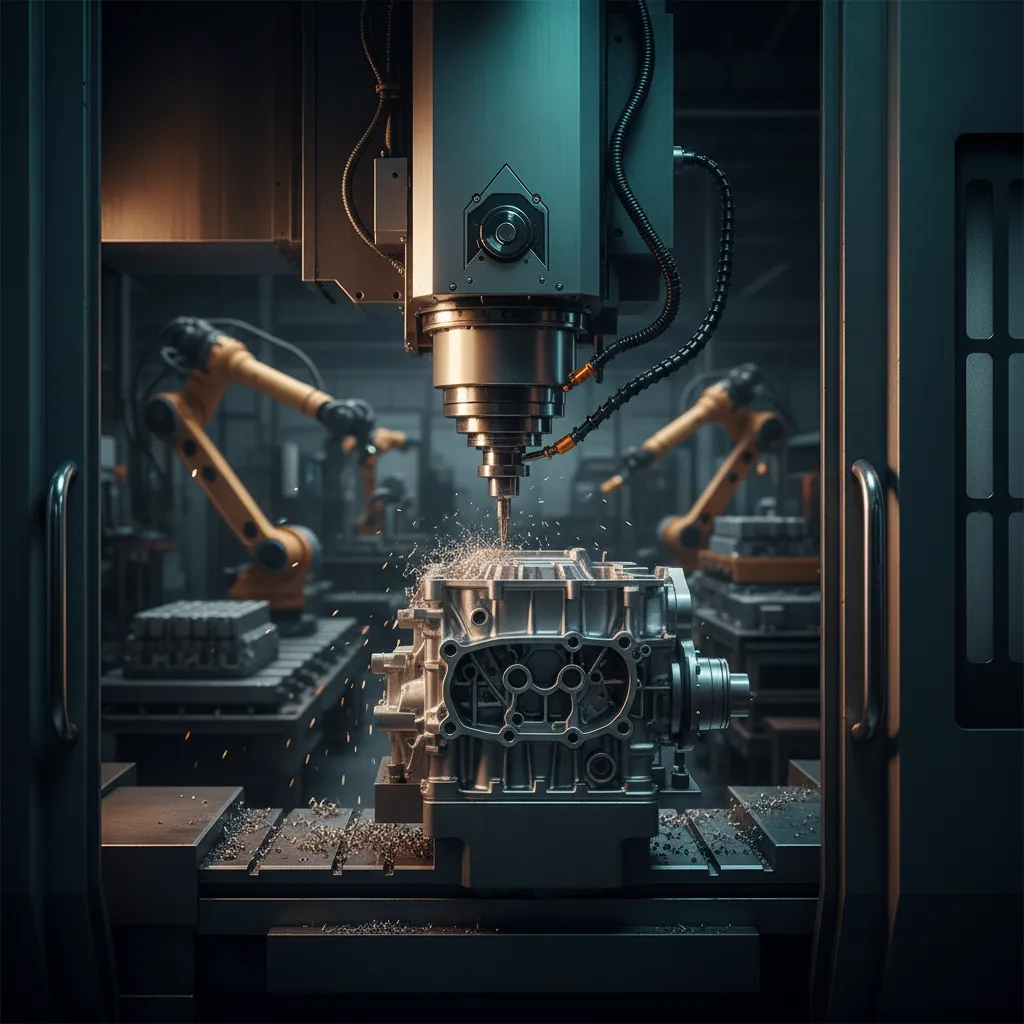
Automotive isn’t SaaS. Deals aren't won by blasting generic sequences or hoping inbound will fill the pipeline. B2B lead generation for automotive players in Pune is still a grind: long sales cycles, technical buyers, and procurement teams that treat every new vendor as a risk. If your pipeline’s thin, it shows in the quarterly numbers. Miss the right decision-makers, and someone else will step in.
A sales director at a precision parts firm here in Pune recently shared that their pipeline had stalled - they’d missed their second straight quarterly target. Their Kharadi office had been running outbound campaigns for over a year without results, despite burning through two SDRs and a stack of purchased lists.
This isn’t unusual. Tier 1 suppliers with $18M annual quotas struggle to get past the RFQ stage. Niche component makers spend 14 months nurturing a single OEM, only to lose out because they never built a real champion inside the account. The automotive sector punishes “spray and pray.” You need a process that’s tight, targeted, and built for the realities of this industry.
Most lead gen agencies pitch the same playbook: scrape a list, push cold emails, maybe add some LinkedIn automation. That’s fine if you’re selling SaaS to startups. In automotive, it’s a waste of time. Here’s why:
The real buyers - program managers, procurement heads, plant managers - rarely respond to cold outreach unless you speak their language. Decision cycles average 6 - 9 months, sometimes longer for new tech or compliance-heavy products. Most “leads” from generic campaigns are tire-kickers or low-level engineers who can’t move a deal forward. Procurement teams expect you to know their supply chain, certifications, and pain points before you ever get a meeting.
If your outreach doesn’t show you understand PPAP, ISO/TS 16949, or the realities of JIT delivery, you’re done before you start.
You need a process built for the sector. Here’s what’s worked for my clients and in my own pipeline:
Account Mapping, Not Just List Building: Don’t just pull a list of “automotive suppliers.” Map the org chart. Identify the two or three people per account who actually influence supplier selection. In one campaign, we mapped 47 target accounts and found only 19% of the initial “contacts” were real decision-makers.
Technical Relevance in Messaging: Your first-touch email or call needs to reference specifics - not “cost savings,” but “reducing cycle time by 18% on [specific process].” I’ve seen response rates jump from 0.7% to 3.2% by swapping generic copy for technical proof points.
Multi-Channel, Multi-Touch: Automotive buyers ignore most cold emails. Layer in phone, LinkedIn, and even targeted mailers. One client landed a meeting with a major OEM after sending a physical teardown report of a competitor’s part - something that actually sat on the buyer’s desk.
Nurture for the Long Haul: Don’t expect a deal in 30 days. Build a cadence that supports a 6 - 12 month sales cycle. Share technical updates, invite prospects to webinars, and send relevant compliance news. If you’re top of mind when the next RFQ drops, you’re in the running.
Let’s be blunt: most failed campaigns make the same errors.
Relying on Purchased Lists: These are usually outdated or filled with irrelevant contacts. In one audit, 41% of “decision makers” were no longer at the company. Ignoring Compliance and Certifications: If your outreach doesn’t mention relevant certifications, you’re not credible. One-and-Done Outreach: A single email or call won’t move the needle. It takes 7 - 9 touches, minimum, to get a response from a true decision-maker. No Local Presence: Trying to sell into a plant or OEM without showing you understand their geography, supply chain, and pain points is a non-starter.
The usual SaaS metrics - MQLs, demo bookings - don’t translate cleanly. Here’s what actually matters:
Number of Qualified Conversations: Not just meetings, but real discussions with people who can influence a deal. Progression to RFQ or Technical Evaluation: Are you getting invited to quote, or at least to submit technical data? Champion Development: Do you have an internal advocate who can push your case when procurement gets involved? Sales Cycle Compression: Are you shaving weeks or months off the usual process? One client cut their average cycle from 11.2 months to 8.7 months by tightening their nurture sequence and focusing on technical buyers (this question comes up in almost every first call we have).
If you’re not tracking these, you’re flying blind.
You want a system, not a one-off campaign. Here’s the backbone:
Define Your Ideal Customer Profile (ICP): Get specific - not just “OEMs,” but “Tier 1 suppliers with >$50M revenue, focused on EV powertrains.” Map Decision Makers: Use LinkedIn, industry directories, and old-fashioned phone calls to build a real org chart. Craft Technical Messaging: Reference certifications, recent recalls, or process improvements relevant to the prospect. Multi-Touch Cadence: Combine email, phone, LinkedIn, and targeted content. Nurture and Track: Use a CRM built for long sales cycles. Track every touchpoint, every technical question, every RFQ. Review and Refine: Every quarter, audit your results. Where did you get traction? Where did you get ignored? Adjust accordingly.
Here’s the hard truth: most B2B lead gen agencies are out of their depth in automotive. They treat it like SaaS or IT, and it shows. If your agency can’t talk shop about APQP, PPAP, or the latest EV platform launches, they’re not going to get you in the door with real buyers.
Automotive is a relationship-driven, detail-obsessed sector. You need partners who’ve actually sold into it - not just read about it.
Been in this situation myself. Happy to share what worked - no pitch, just a conversation.
If your business has good capability but growth feels slower than it should, a short strategic discussion may reveal practical next steps.

