
Tell Us About Your Business
Thank you! Your submission has been received!
Oops! Something went wrong while submitting the form.


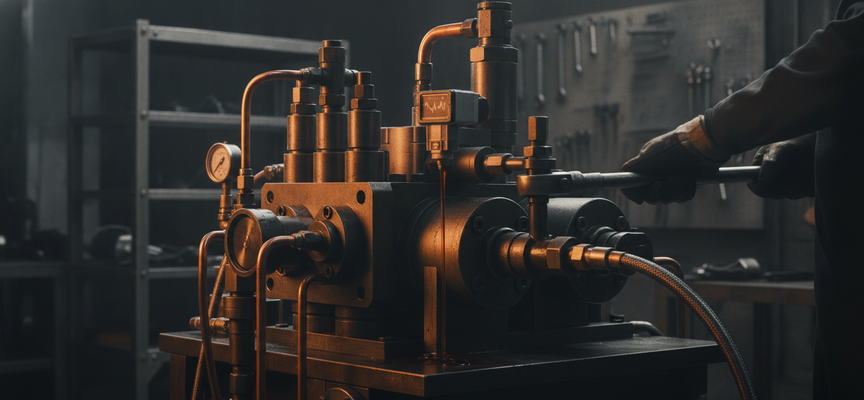
An engineering manager at a hydraulics components manufacturer in Pune shared how their sales team struggled with inconsistent lead flow despite strong technical expertise and product quality. Multiple outbound efforts - including cold calls and online ads targeting procurement professionals in Shivajinagar - failed to convert into meaningful hydraulic system vendor meetings.
Appointment setting is the critical step that turns initial interest into scheduled conversations with qualified prospects. In industrial hydraulics, where sales cycles are lengthy and technical validation is essential, appointment setting connects marketing awareness to detailed buyer engagement. It’s not just about filling calendar slots; it’s about securing time with decision-makers who have the authority and budget to advance large-scale orders for hydraulic components or systems. Mistakes here waste effort downstream as sales teams chase unqualified leads or stale contacts.
Effective appointment setters for hydraulic products combine technical knowledge with communication skill. Unlike generic telecalling, they speak the language of hydraulics buyers - EPC contractors, OEM engineers, maintenance managers - addressing compliance concerns, system performance questions, and project timelines upfront. Persistence matters but must respect busy schedules; instead of pushing fixed time slots that feel forced, offering flexible windows or asking “When would be a convenient time?” builds trust. Confirming appointments shortly before the meeting reduces no-shows and keeps sales funnels moving.
Specialized appointment setting services design outreach around hydraulics buyer personas. Instead of generic cold calls, messages highlight operational benefits like reliability under high pressure or energy efficiency in pumps. Campaigns combine phone calls with technical emails and LinkedIn connections to nurture prospects until they’re ready to meet a sales engineer. This approach yields higher conversion rates from contact to confirmed meeting than broad methods that overlook sector specifics.
B2B hydraulics appointment setting faces unique challenges compared to consumer markets: decisions involve multiple stakeholders such as project managers, procurement teams, safety officers; purchase processes include lengthy validation often tied to regulatory compliance; order values are high with extended contract negotiations. This complexity requires setters who can accurately map organizational roles and maintain communication through long cycles without losing momentum - something typical B2C telemarketing cannot handle.
Many organizations underestimate the nuance needed when hiring setters familiar with industrial hydraulics. Effective candidates usually have some exposure to engineering environments or at least understand sector jargon and workflows. Training should cover product technicalities, customer pain points like downtime costs or safety audits, plus soft skills such as objection handling tailored to this technically demanding context. Ongoing coaching based on real call reviews improves results over time - a mismatch here can cost months of poor lead quality.
The complex purchase cycle in industrial hydraulics means initial interest rarely signals immediate buying intent. A structured qualification process separates curiosity from actionable demand by probing project timelines, budgets, decision-makers involved, compliance constraints, and existing supplier satisfaction during early conversations. Continuous nurturing through technical content sharing or regular check-ins keeps your brand top-of-mind until prospects advance toward RFQ issuance or vendor evaluation meetings.
Successful appointment setting today requires more than cold calling alone - it integrates phone outreach with email follow-ups providing data sheets or case studies relevant to hydraulic system performance requirements, sometimes supplemented by social selling via LinkedIn groups frequented by maintenance supervisors or engineers. In Pune's Shivajinagar area, we observed how combining WhatsApp messaging for quick clarifications alongside scheduled calls helped overcome gatekeeper barriers common among Indian industrial buyers.
A disciplined approach tracking each step - from first contact through confirmation to meeting held - is essential for quantifying ROI of appointment setting programs within hydraulics firms. Integration with CRM systems provides pipeline visibility showing conversion rates at each stage plus feedback loops identifying common objections requiring messaging adjustments. This data-driven discipline is often missing in smaller firms relying on ad hoc outbound efforts, resulting in costly inconsistencies (took us embarrassingly long to figure this out).
The industrial hydraulics sector operates under strict safety standards such as ISO certifications or local environmental regulations that heavily influence purchasing decisions. Appointment setters need training on these factors so they can frame discussions around vendor compliance capabilities or product certifications early - building credibility and shortening vetting processes downstream that typically involve risk management teams reviewing supplier credentials.
A family-owned valve manufacturer increased their qualified hydraulic system vendor meetings by 45% over six months after adopting targeted appointment setting emphasizing multi-stage lead nurturing aligned with their buyers’ engineering review cycles. Another client shortened their sales cycle by 20% by integrating CRM-tracked appointment confirmations with timely pre-meeting content addressing regulatory concerns specific to their region’s industry norms.
(This question comes up in almost every first call we have.)
The cost varies depending on campaign scope but typically ranges from INR 1 lakh to 5 lakhs per month for specialized services focused on hydraulics lead generation; pricing depends on target market size, channels used, and complexity of buyer personas engaged.
Specialized services understand the technical language and complex sales cycles unique to industrial hydraulics, resulting in higher conversion rates from prospect contact to qualified meetings compared to generic B2B approaches that often fail due to lack of industry fit.
You can expect initial qualified appointments within 6-8 weeks as setters build rapport through multi-channel outreach; full pipeline impact often appears after 3-4 months once leads progress through qualification stages aligned with typical project lifecycles.
Yes - especially if they target OEMs or EPCs directly involved in complex projects; however, costs must be weighed against order size since smaller suppliers may find internal triaging more cost-effective depending on market access capabilities.
Been in this situation myself. Happy to share what worked - no pitch, just a conversation.
If your business has good capability but growth feels slower than it should, a short strategic discussion may reveal practical next steps.

